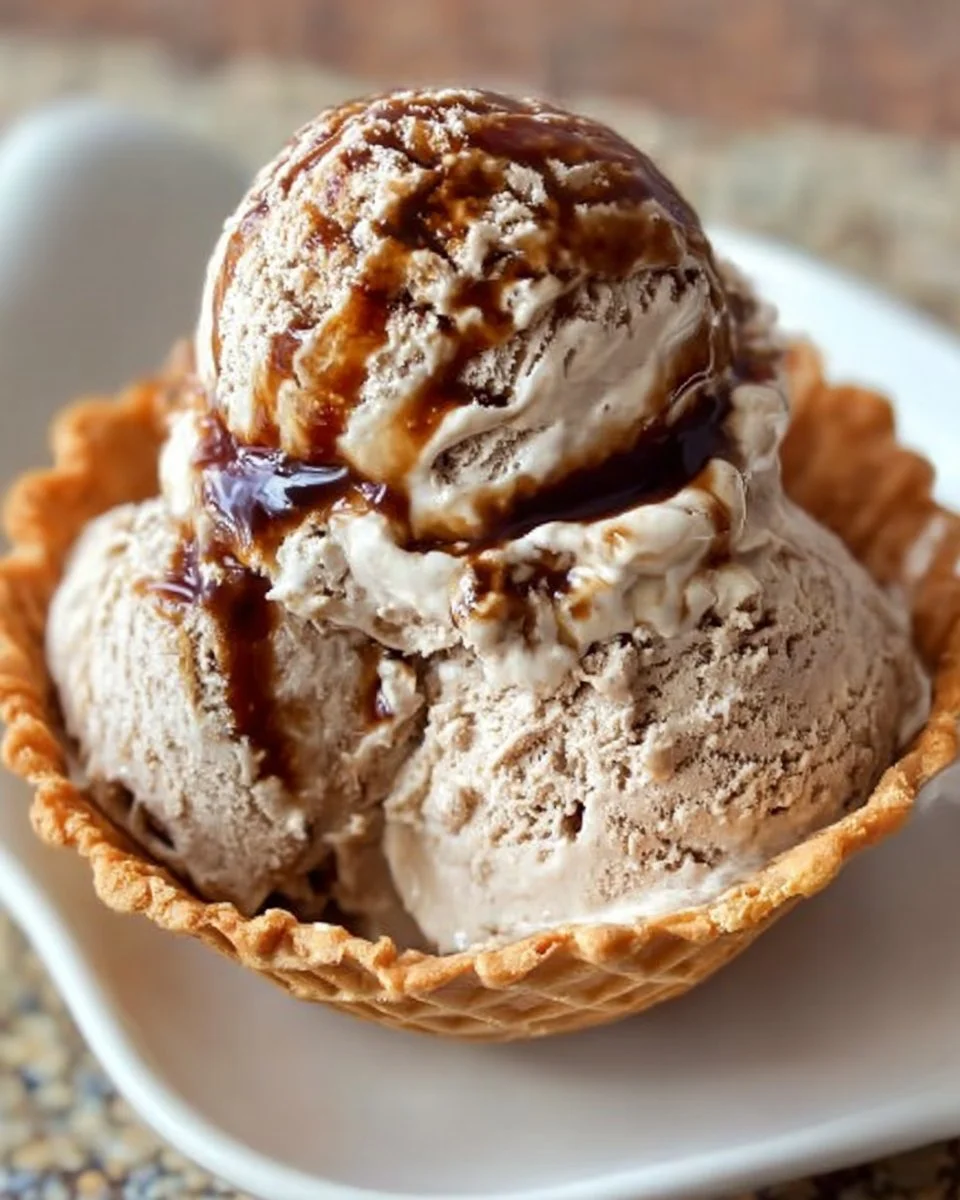
Crafting Velvety Root Beer Ice Cream: Mastering Custard Techniques
There are few treats as universally beloved as a scoop of rich, creamy ice cream. But what if you could elevate that experience, infusing it with a nostalgic, spiced flavor that dances on the palate? Enter
root beer ice cream – a delightful twist on a classic, offering a unique blend of sweet, herbaceous, and subtly effervescent notes. This isn't just any ice cream; it's a celebration of flavor designed to transport you back to carefree summer days and the simple joy of a root beer float. The key to unlocking its truly unforgettable, velvety texture lies in mastering the art of the custard base. It’s this precise culinary technique that transforms simple ingredients into an extraordinary dessert, ensuring every spoonful is smooth, rich, and utterly luxurious.
The Art of the Custard Base: Foundation of Velvety Texture
Creating exceptional
root beer ice cream begins with a meticulously prepared custard. This rich, egg-yolk-thickened base is what gives the ice cream its signature smoothness, preventing the formation of large ice crystals and delivering that melt-in-your-mouth quality we all crave. Forget thin, watery ice cream; we're aiming for a density that cradles the distinct root beer flavor.
Your journey starts with a selection of high-quality ingredients, each playing a vital role:
- Heavy Cream (2 cups): This is the backbone of your ice cream's richness. Opt for full-fat heavy cream for the most decadent result. Its high-fat content is crucial for the velvety texture.
- Whole Milk (1 cup): While cream brings richness, whole milk provides balance, ensuring the ice cream isn't *too* heavy and allows the flavors to shine through.
- Granulated Sugar (3/4 cup): Beyond sweetness, sugar contributes to the ice cream's texture by lowering its freezing point, making it scoopable rather than rock hard. Precision here is key to balancing sweetness without overpowering the root beer’s depth.
- Large Egg Yolks (2): The true stars of the custard. Whisked until they "glisten," these yolks are responsible for the emulsification and thickening that give custard its characteristic smoothness.
- Cornstarch (1 tablespoon, bloomed): A secret weapon for enhancing the custard's stability and velvetiness. Blooming it in a splash of milk before incorporating helps prevent lumps and ensures even thickening.
- A Pinch of Salt: Often overlooked, salt is a flavor enhancer, bringing out the best in both the sweet and spiced notes of the root beer.
Before you even touch the heat, ensure your
mise en place is impeccable. Have all your ingredients measured and ready, your whisk, thermometer, and strainers at hand. A chilled bowl for the finished custard can also be invaluable. This preparation ensures a smooth process, allowing you to focus on the cooking techniques rather than scrambling for ingredients. For a deeper dive into crafting this delightful treat, explore our guide on
Homemade Root Beer Ice Cream: Creamy Custard & Bold Flavor.
Mastering the Tempering and Thickening Process
The transformation from liquid ingredients to a luscious custard involves careful heat management and technique. This is where patience truly becomes a virtue.
1.
Combining the Base: In a medium saucepan, combine the heavy cream, whole milk, 3/4 cup granulated sugar, and a pinch of salt. Place it over medium-low heat, allowing the sugar to dissolve gently and the mixture to warm. The goal here is to let the flavors "mingle rather than scorch."
2.
Preparing the Yolks: In a separate bowl, whisk your two large egg yolks until light yellow and slightly frothy. This aeration is important.
3.
The Cornstarch Bloom: While the cream mixture warms, whisk 1 tablespoon of cornstarch with a splash of cold milk in a small bowl until smooth. Once the cream mixture is warm, gently whisk this cornstarch slurry into it. This will aid in thickening the custard without making it overly rich from additional yolks.
4.
Tempering the Yolks: This is arguably the most critical step to avoid scrambled eggs in your ice cream base. Once the cream mixture is warm – but not boiling – slowly, *very slowly*, trickle about half a cup of the hot cream mixture into the whisked egg yolks while continuously whisking the yolks. This gradual warming of the yolks prevents them from curdling when added to the hotter liquid.
5.
Thickening the Custard: Pour the tempered egg yolk mixture back into the saucepan with the remaining cream mixture. Continue cooking over medium-low heat, stirring constantly with a wooden spoon or heat-proof spatula. Cook for 5-7 minutes, or until the custard thickens sufficiently to coat the back of a spoon, leaving a clear path when you draw your finger across it. The ideal temperature is usually around 170-175°F (77-79°C). Keep the heat steady and gentle to allow for even thickening and to preserve delicate aromas.
6.
Straining and Chilling: Immediately remove the custard from the heat. Strain it through a fine-mesh sieve into a clean, chilled bowl. This crucial step removes any tiny bits of cooked egg that might have formed, ensuring an impeccably smooth final product. Allow the custard to cool slightly at room temperature, then cover it directly with plastic wrap (to prevent a skin from forming) and refrigerate for at least 4 hours, or ideally overnight, until it's thoroughly chilled to below 40°F (4°C). This extended chilling period is vital for the custard to properly set and for the flavors to meld.
Infusing the Iconic Root Beer Flavor Profile
With your velvety custard base perfected and chilled, it’s time to introduce the star flavor: root beer. The key here is not just adding root beer, but integrating its distinct character thoughtfully.
*
Pure Vanilla Extract: A crucial supporting act. Stir in 1-2 teaspoons of pure vanilla extract *after* the custard has cooled slightly. Vanilla enhances the overall sweetness and harmonizes beautifully with the spiced notes of root beer.
*
Root Beer Extract or Reduction: This is where the magic happens.
*
Root Beer Extract: If using a concentrated extract, add it gradually to the chilled custard base, starting with about 1 teaspoon and tasting as you go. Extracts can be potent, so adjust to your preference.
*
Root Beer Reduction: For a more intense and nuanced flavor, consider adding 1/2 cup of a root beer reduction. To make this, simply simmer root beer in a saucepan until it reduces by about half, concentrating its sugars and spices. Allow it to cool completely before folding into the chilled custard. This method often yields a deeper, more complex flavor than extract alone.
The goal is to achieve a balanced flavor: a delicate interplay of vanilla, a hint of spice (like sassafras, wintergreen, or anise typical in root beer), and that unmistakable cola lift. Taste and adjust. Remember, flavors can be slightly muted when frozen, so aim for a slightly bolder taste in the liquid custard than you might initially think. To truly appreciate this unique dessert, understand
Root Beer Ice Cream: A Nostalgic Twist on Your Favorite Treat.
Churning, Freezing, and Serving Your Culinary Masterpiece
The final steps bring your vision to life, transforming the chilled custard into a scoopable dream.
1.
Churning: Pour your thoroughly chilled root beer custard into your ice cream maker's frozen bowl, following the manufacturer's instructions. Churn until the mixture thickens to the consistency of soft-serve ice cream, usually about 20-30 minutes. You'll know it's ready when "ribbons form" as it churns, indicating it has incorporated enough air and reached the desired consistency.
2.
Freezing for Firmness: Transfer the churned ice cream to an airtight container. Press a piece of parchment paper or plastic wrap directly onto the surface of the ice cream to prevent freezer burn. Freeze for at least 4-6 hours, or preferably overnight, until it reaches a firm, scoopable consistency.
3.
Serving with Flair:
*
Scoop Perfection: To serve, remove the ice cream from the freezer about 5-10 minutes before scooping. A warm knife can ease through for clean, rounded portions. Present generous scoops in individual bowls, allowing their natural amber swirls to catch the light.
*
Garnish & Contrast: Elevate the experience with thoughtful garnishes. A light dusting of
cinnamon sugar adds warmth and sparkle. A drizzle of cold root beer reduction can cling to the edges, intensifying the aroma with each bite. For texture and visual appeal, consider a fresh mint sprig, or even candied roots for a subtle snap.
*
Pairing Perfection: Don't limit yourself to just a scoop! Root beer ice cream pairs beautifully with soft pretzel bites for a salty-sweet contrast, or spicy ginger cookies for a kick. Nestling a scoop beside a slice of pear tart offers a sophisticated dessert combination.
Ultimately, making
root beer ice cream is more than just following a recipe; it's a ritual, a culinary freedom to unfold flavors with intention and care. Enjoy the process, from the precise measures to the quiet simmer, and savor the reward of a homemade dessert that's truly extraordinary.
Conclusion
Crafting homemade
root beer ice cream using classic custard techniques is a rewarding culinary endeavor that results in an unparalleled dessert experience. By mastering the tempering of egg yolks, the subtle art of thickening, and the careful infusion of root beer's unique flavor profile, you achieve a velvety texture and depth of taste far beyond commercial offerings. This rich, smooth treat isn't just an indulgence; it's a nostalgic journey, a perfect blend of comfort and gourmet sophistication. So, gather your ingredients, embrace the process, and prepare to delight your taste buds and those of your loved ones with this truly exceptional homemade ice cream.